
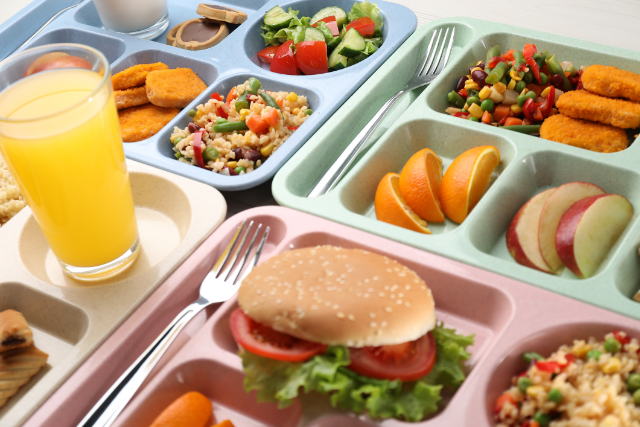
Back-to-school season means busy classrooms, packed hallways, and the return of another familiar routine: a cafeteria school lunch.
Behind every slice of pizza, carton of milk, serving of fresh fruit, and tray of chicken tenders is a foodservice operation that depends on careful planning. Schools and their suppliers need the right ingredients in the right quantities, and those products need to remain properly stored until they're ready to be prepared and served.
For manufacturers, distributors, and foodservice suppliers supporting school cafeterias, reliable cold storage plays an important role in keeping the supply chain moving.
At Interstate Cold Storage, we help businesses protect temperature-sensitive food products with dependable refrigerated and frozen storage solutions.
Many of the foods students look forward to at lunchtime rely on refrigeration or frozen storage long before they reach the cafeteria.
Pizza ingredients and frozen pizzas may require temperature-controlled storage throughout distribution. Cheese, meats, sauces, dough products, and prepared pizzas all need appropriate handling to maintain quality.
Chicken tenders and nuggets are staples on school menus and are often distributed as frozen products. Maintaining consistent frozen temperatures helps protect these high-volume products while they're stored and awaiting shipment.
Dairy products are another major part of school foodservice. Milk, cheese, yogurt, and other refrigerated items require dependable temperature management as they move through the supply chain.
Fruits and vegetables bring variety and nutrition to cafeteria menus. Many fresh and prepared produce products benefit from refrigerated storage that helps preserve freshness and quality before delivery.
Prepared foods and ingredients used for pasta dishes, casseroles, sandwiches, and other cafeteria staples may also require refrigerated or frozen storage before reaching school kitchens.
When schools return to session, food suppliers can face a significant shift in demand. Large school districts and foodservice programs need consistent quantities of products, often delivered according to tightly planned schedules.
That creates a challenge for manufacturers and distributors: having enough inventory available to meet demand without overwhelming their own refrigerated or frozen storage capacity.
Third-party cold storage can provide valuable flexibility.

With additional refrigerated or frozen warehouse space, businesses can build inventory ahead of peak demand, manage larger orders, and keep temperature-sensitive products properly stored until they're ready to move to the next destination.
Cold storage is more than finding extra warehouse space. Temperature-sensitive food products need to remain within appropriate conditions throughout storage and distribution.
A dependable cold storage partner can become an important link between production facilities, distributors, and the foodservice operations they ultimately serve.
Interstate Cold Storage provides temperature-controlled warehousing for a variety of food products, helping customers manage inventory while maintaining the cold chain. Whether products require refrigerated or frozen conditions, having the right storage environment helps protect product integrity while providing businesses with greater flexibility.
Back-to-school season is a good example of why flexible cold storage capacity matters.
A supplier may need to increase production before school starts. A distributor may need additional space for frozen cafeteria staples. A manufacturer may have inventory ready before its customer is prepared to receive it.
Instead of allowing limited warehouse capacity to become a bottleneck, businesses can use third-party cold storage to create breathing room within their supply chains.
That flexibility can help companies prepare for seasonal increases, manage inventory more efficiently, and keep products moving according to customer demand.
Students may never see the warehouses, refrigerated facilities, and logistics operations behind their favorite cafeteria meals, but those operations are essential to getting food where it needs to go.
From frozen chicken and pizza products to dairy, produce, and prepared foods, reliable temperature-controlled storage helps support the supply chain that keeps school cafeterias stocked throughout the year.
As another school year begins, Interstate Cold Storage is ready to help food manufacturers, processors, and distributors make room for the products that keep cafeteria lines moving.
Because before a cafeteria favorite reaches the lunch tray, it needs a safe, dependable place to stay cold.