
Fall brings cooler temperatures, changing leaves and the start of one of the busiest stretches of the year for food producers, distributors and retailers.
From freshly harvested produce arriving in large volumes to frozen foods and holiday staples being prepared for Thanksgiving and Christmas, businesses across the food supply chain often see their inventory needs change quickly during the fall months.
That can create a simple but important question:
For businesses that don't have enough refrigerated or frozen space on-site, third-party cold storage can provide the additional capacity needed to manage the fall rush without making a permanent investment in new facilities.
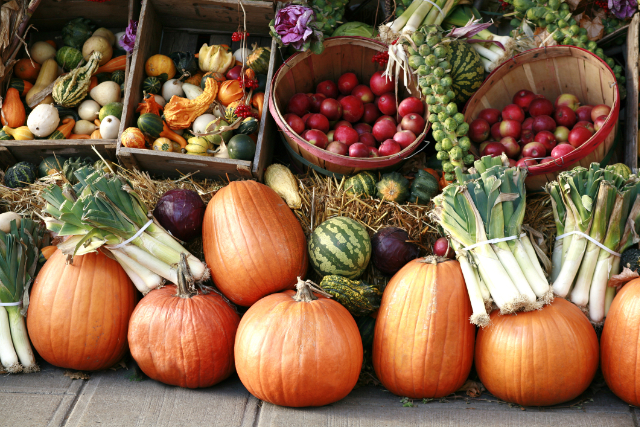
For many agricultural and food processing operations, fall is closely tied to harvest season.
Apples, potatoes, onions, squash and other seasonal products may be harvested in large quantities within a relatively short period. Once products enter the supply chain, proper temperature management becomes an important part of maintaining quality and supporting shelf life.
The challenge is that harvest volumes don't always match a facility's normal storage capacity.
Instead of allowing seasonal inventory to overwhelm existing coolers, businesses can use refrigerated warehouse space to accommodate temporary increases in product.
This additional capacity can help operations keep receiving, production and distribution moving during one of their busiest times of year.
Thanksgiving may still feel weeks away in September and October, but the food supply chain begins preparing well before families start planning their holiday menus.
Meat, frozen foods, baked goods, ingredients, prepared foods and other holiday products need to move through processors, distributors and retailers in time for peak consumer demand.
That means businesses may need to build inventory ahead of the actual holiday rush.
Cold storage provides a place to accommodate that additional product without forcing businesses to overcrowd their existing refrigerated or frozen spaces.
Fall isn't only about storing more inventory. It's also a major production season for many food manufacturers.
Pumpkin products, soups, baked goods, holiday desserts, seasonal entrees and other limited-time foods can create temporary spikes in production.
When production increases faster than distribution, finished products need somewhere to go.
Using outside cold storage can provide a buffer between production and distribution, giving businesses additional flexibility to manufacture products when needed and store them until they're ready to ship.

Overcrowding a cooler or freezer can create operational headaches.
Employees may have difficulty accessing products. Inventory can become harder to organize. Receiving new shipments can become more complicated. And valuable space needed for everyday operations can disappear quickly.
Moving excess or seasonal inventory to an off-site cold storage facility can help businesses maintain a more organized operation while keeping additional product properly stored.
Instead of asking, "How can we fit one more pallet in here?" businesses can focus on moving inventory efficiently.
One of the biggest advantages of third-party cold storage is flexibility.
A business experiencing a temporary fall surge may not need additional storage capacity throughout the entire year. Building or expanding refrigerated space for a seasonal need can be difficult to justify.
Flexible cold storage provides another option.
Businesses can secure additional space when inventory levels rise and adjust their storage needs as the season changes. That makes it especially useful for harvest periods, holiday inventory, seasonal production and unexpected increases in demand.
The busiest part of the season can arrive quickly.
Businesses that anticipate needing additional refrigerated or frozen storage shouldn't wait until their existing space is completely full. Planning ahead can make it easier to manage incoming inventory and keep products moving throughout the fall and holiday seasons.
Interstate Cold Storage provides refrigerated and frozen warehousing solutions designed to help food producers, processors and distributors manage changing storage requirements.
Whether you need additional capacity for harvest season, holiday inventory or a temporary increase in production, Interstate Cold Storage can help you prepare for what's ahead.
Make room for the busy season. Contact Interstate Cold Storage to learn more about available refrigerated and frozen storage solutions.