
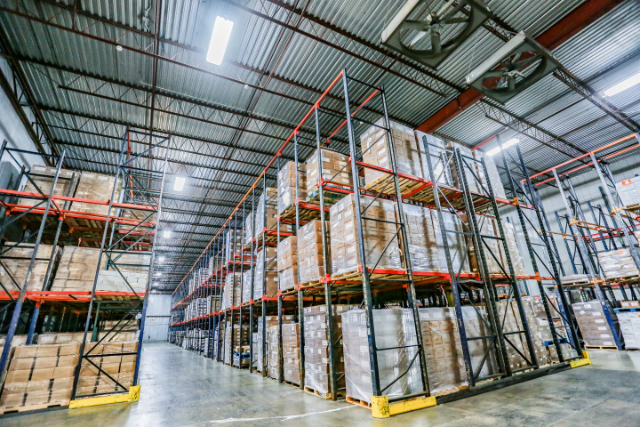
Cold storage 101 starts with a simple fact: cold storage plays a critical role in today’s food supply chain. From farm to table, temperature-controlled warehousing helps preserve product quality, maintain food safety, and extend shelf life. Whether you’re storing frozen foods, refrigerated goods, or temperature-sensitive ingredients, understanding the fundamentals of cold storage can help you make better logistical decisions.
This guide breaks down the essentials of cold storage, what it is, how it works, and why it’s so important.
Cold storage refers to facilities designed to store products at controlled temperatures, typically ranging from refrigerated (above freezing) to frozen (below 32°F). These environments slow bacterial growth, reduce spoilage, and protect product integrity throughout storage and distribution.
Cold storage warehouses are commonly used for:
Not all cold storage is the same. Facilities are designed with specific temperature zones to match product requirements.
Choosing the correct temperature zone is essential for maintaining food quality and meeting regulatory requirements.
Cold storage is about more than keeping products cold, it’s about consistency, safety, and reliability.
Without proper cold storage, temperature fluctuations can lead to spoilage, compromised texture, or food safety risks.
Modern cold storage warehouses rely on advanced systems to ensure precise temperature control and operational efficiency.

Facilities are designed to maintain consistent temperatures even during loading, unloading, and high-volume activity.
Efficient inventory handling is essential in a cold storage environment.
Common practices include:
These practices help reduce waste, improve accuracy, and support traceability.
Cold storage facilities must meet strict food safety and regulatory standards.
Key considerations include:
Maintaining compliance protects both stored products and the broader food supply chain.
Cold storage serves a wide range of industries, including:
Whether storing products short-term or long-term, cold storage provides flexibility and scalability for growing operations.
Cold storage acts as a critical link between production and distribution. It allows businesses to manage inventory efficiently, respond to demand fluctuations, and ensure products reach customers in optimal condition.
As consumer expectations for freshness and availability continue to rise, cold storage remains an essential part of modern logistics.
Understanding the basics of cold storage helps businesses make informed decisions about how their products are stored, handled, and distributed. From temperature control to inventory management and food safety, every detail plays a role in preserving quality and protecting the supply chain.
Interstate Cold Storage supports these fundamentals every day, helping customers store their products safely, efficiently, and reliably.