

Businesses that rely on refrigerated and frozen inventory don't all have the same storage needs. Some require additional capacity for just a few weeks during peak season, while others need a long-term cold storage partner to support year-round operations without investing in new facilities.
The good news is that modern cold storage solutions are flexible enough to meet both short-term and long-term demands. Understanding the differences can help your business choose the right solution while controlling costs and maintaining product quality.
Short-term cold storage is ideal when your storage needs fluctuate throughout the year or when unexpected circumstances arise. Rather than investing in additional warehouse space that may sit unused for months, businesses can scale capacity only when needed.
Common situations include:
For many companies, renting cold storage space for several weeks or months is significantly more cost-effective than expanding their own facilities.
Immediate Capacity
Additional refrigerated or frozen space can often be secured quickly, allowing businesses to continue operations without disruption.
Lower Capital Investment
There's no need to purchase land, construct new buildings, or install expensive refrigeration systems.
Operational Flexibility
As demand changes, storage space can increase or decrease accordingly, helping businesses better manage inventory levels.
Reduced Risk
Instead of investing in permanent infrastructure for temporary demand, companies only pay for the space they actually use.
For organizations with consistent inventory volumes, long-term cold storage offers dependable capacity and operational support.
Industries that commonly benefit include:
Long-term partnerships allow businesses to focus on production, sales, and customer service while an experienced cold storage provider manages inventory handling and warehouse operations.
Consistent Temperature Control
Products remain in professionally managed refrigerated or frozen environments designed to preserve quality and safety.
Improved Supply Chain Efficiency
Strategically located facilities help reduce transportation costs and improve delivery times.
Inventory Management
Modern warehouse management systems provide accurate inventory tracking, helping businesses maintain visibility into stored products.
Room for Growth
As your business expands, additional storage space can often be added without the expense of building your own facility.
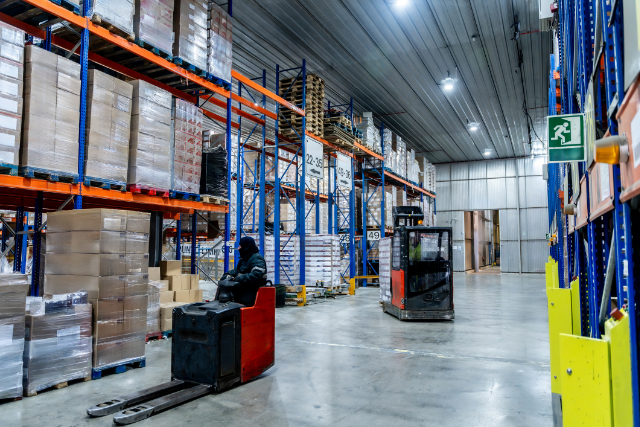
Several factors can help determine whether short-term or long-term storage is the best fit.
Ask yourself:
Many businesses find that a combination of both approaches provides the greatest flexibility. For example, maintaining a long-term storage agreement while adding temporary capacity during peak seasons can help optimize costs and operations.
Cold storage is about much more than keeping products cold. Reliable providers offer secure facilities, consistent temperature management, efficient inventory handling, and experienced warehouse personnel who understand the importance of maintaining product integrity throughout the storage process.
Whether your business needs additional space for a few weeks or a trusted logistics partner, working with an experienced cold storage provider helps reduce operational challenges while protecting valuable inventory.
Business demands change. Seasonal peaks, expanding product lines, and evolving supply chains require storage solutions that can adapt just as quickly.
At Interstate Cold Storage, we provide flexible refrigerated and frozen warehousing solutions designed to support businesses of all sizes. Whether you're looking for temporary overflow capacity or a dependable long-term storage partner, our experienced team and strategically managed facilities help keep your products protected, accessible, and moving efficiently through your supply chain.