
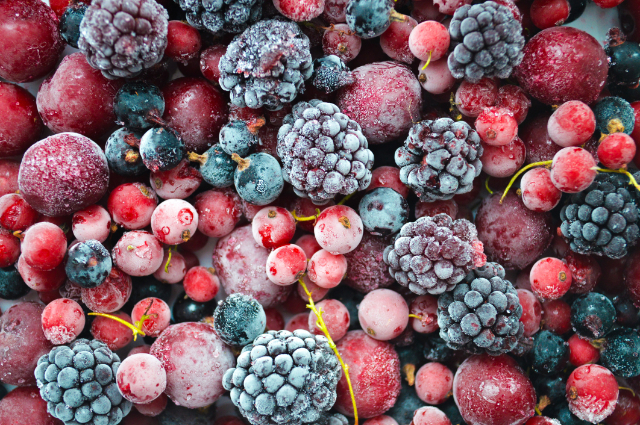
When it comes to cold storage, temperature consistency isn’t just the best practice it’s a necessity. Even small fluctuations can compromise food safety, shorten shelf life, and reduce product quality. For food manufacturers, distributors, and retailers, maintaining precise temperature control throughout storage and handling is critical to protecting both products and brand reputation.
Below, we explore why consistent temperatures matter and how specific food categories are affected when conditions aren’t properly maintained.
Cold storage slows the growth of bacteria, enzymes, and microorganisms that cause food spoilage. However, temperature swings, especially repeated ones, can reactivate microbial activity, leading to:
Consistent temperatures ensure food remains within its safe and optimal range from the moment it enters storage until it reaches the end consumer.
1. Frozen Meats & Poultry
Ideal range: 0°F (-18°C) or lower
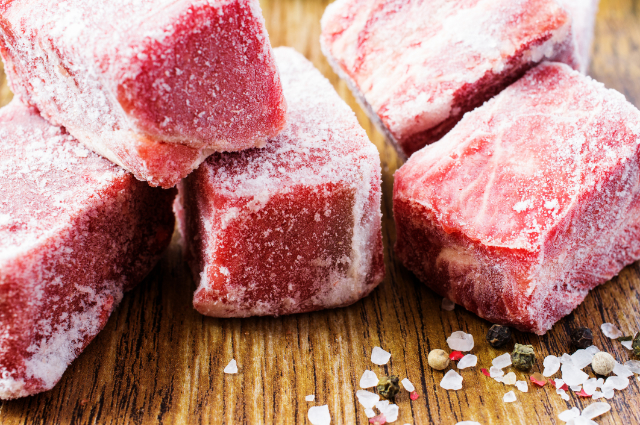
Meat products are especially vulnerable to temperature fluctuations. When frozen meat partially thaws and refreezes, ice crystals form and rupture muscle fibers. This leads to:
Maintaining a stable frozen environment preserves both safety and quality.
2. Seafood
Ideal range: -4°F to 0°F (-20°C to -18°C)
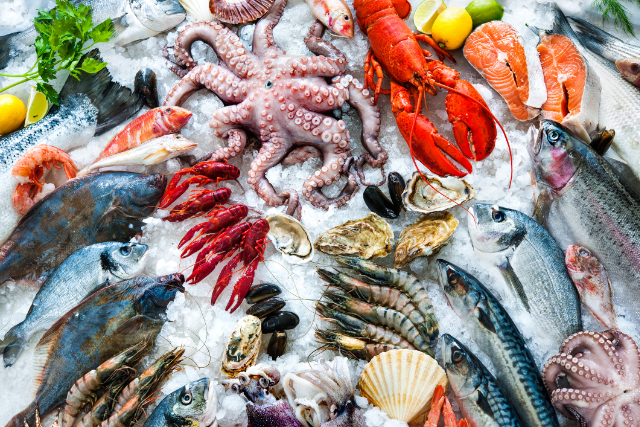
Seafood is one of the most temperature-sensitive food categories. Even brief exposure to warmer conditions can accelerate spoilage and cause strong odors, discoloration, and textural breakdown. Consistent temperatures are critical to:
3. Dairy Products
Ideal range: 34°F–38°F (1°C–3°C)
Milk, cheese, yogurt, and butter are highly sensitive to temperature swings. Inconsistent cooling can result in:
Steady refrigeration ensures dairy products maintain their intended taste, texture, and nutritional value.
4. Fruits & Vegetables
Ideal range: Varies by product (32°F–55°F / 0°C–13°C)
Produce requires precise temperature control tailored to each item. Too cold, and some fruits suffer chilling injury; too warm, and ripening accelerates. Inconsistent temperatures can cause:
Controlled environments help preserve freshness and reduce food waste.
5. Baked Goods & Prepared Foods
Ideal range: Frozen or refrigerated depending on product
Prepared foods and baked goods rely on stable temperatures to maintain structure and flavor. Fluctuations can lead to:
Consistency ensures products arrive exactly as intended.
Reliable cold storage facilities use advanced monitoring systems, redundant refrigeration, and strict operating procedures to eliminate temperature variability. This protects inventory, ensures compliance, and provides peace of mind across the supply chain.
At Interstate Cold Storage, maintaining consistent temperatures isn’t optional, it’s foundational. Precision-controlled environments, continuous monitoring, and experienced teams work together to safeguard every product, every day.
Temperature consistency is the difference between preserved quality and preventable loss. Whether storing frozen proteins, fresh produce, or temperature-sensitive dairy, maintaining stable conditions protects food safety, extends shelf life, and supports customer trust.
In cold storage, consistency equals confidence, and that confidence starts with the right partner.