

Freezing guidelines: keeping it cool, one perfectly frozen bite at a time. Freezing food might sound simple, just toss it in and shut the door, but there’s actually a bit of science (and some art) to doing it right. Whether you’re preserving a bumper crop of vegetables, storing seafood, or keeping your favorite comfort meals fresh, how you freeze makes a big difference in taste, texture, and quality.
At Interstate Cold Storage, we love helping customers make the most of their frozen inventory, so we’ve put together a few fun facts and freezing guidelines for different types of food.
When it comes to beef, chicken, or pork, slower isn’t better. The faster meat freezes, the smaller the ice crystals, which means less damage to texture when it thaws.
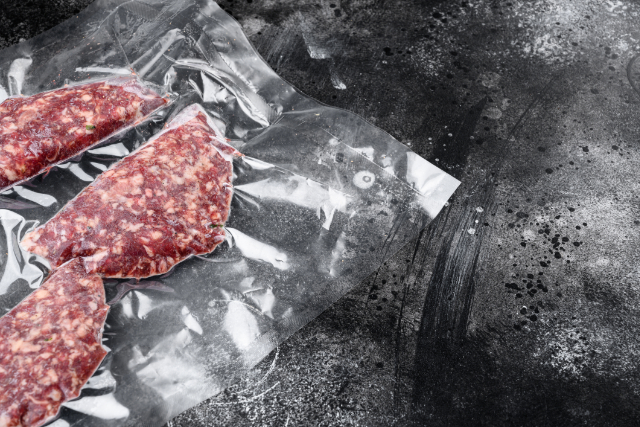
Best Freezing Tips:
Seafood requires special care because it’s high in moisture and delicate in texture. Rapid freezing keeps it tasting like it just came off the boat.
Best Freezing Tips:
Did you know you should blanch most vegetables before freezing them? A quick dip in boiling water stops enzymes that can cause color and texture loss.
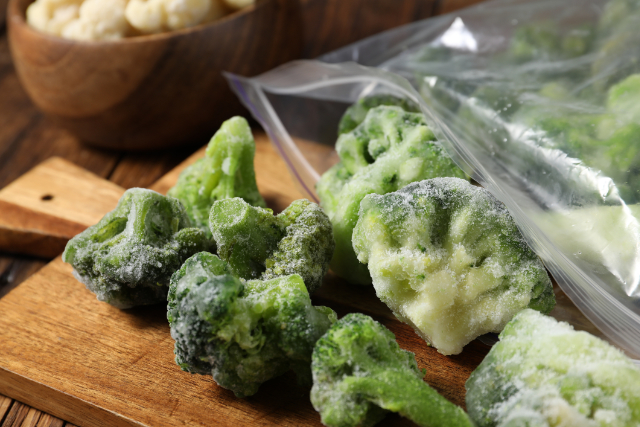
Best Freezing Tips:
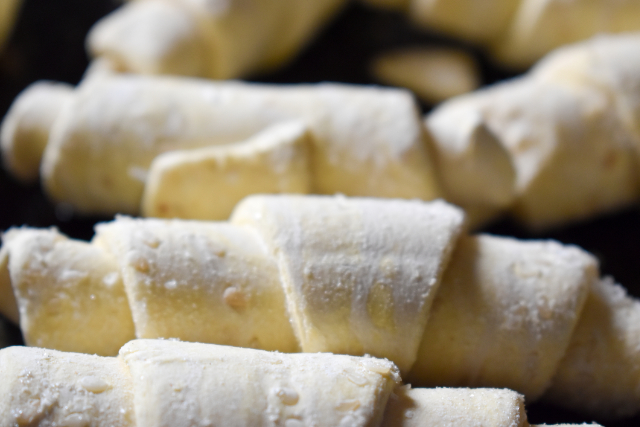
From sandwich loaves to homemade muffins, baked goods can handle the cold just fine, as long as you wrap them properly.
Best Freezing Tips:
Got extra chili, lasagna, or stew? Freezing leftovers saves time, money, and sanity on busy nights.
Best Freezing Tips:
Proper freezing helps preserve nutrition, flavor, and texture, turning today’s prep work into tomorrow’s delicious meal. Whether you’re managing large-scale inventory or stocking your home freezer, consistency and control are key.
At Interstate Cold Storage, we maintain precise temperature monitoring and storage protocols to ensure your frozen goods stay in peak condition from start to finish.
So go ahead, stock up, freeze smart, and keep your food as fresh as the day it was packed. After all, cold storage isn’t just science, it’s a little bit of magic, too.